
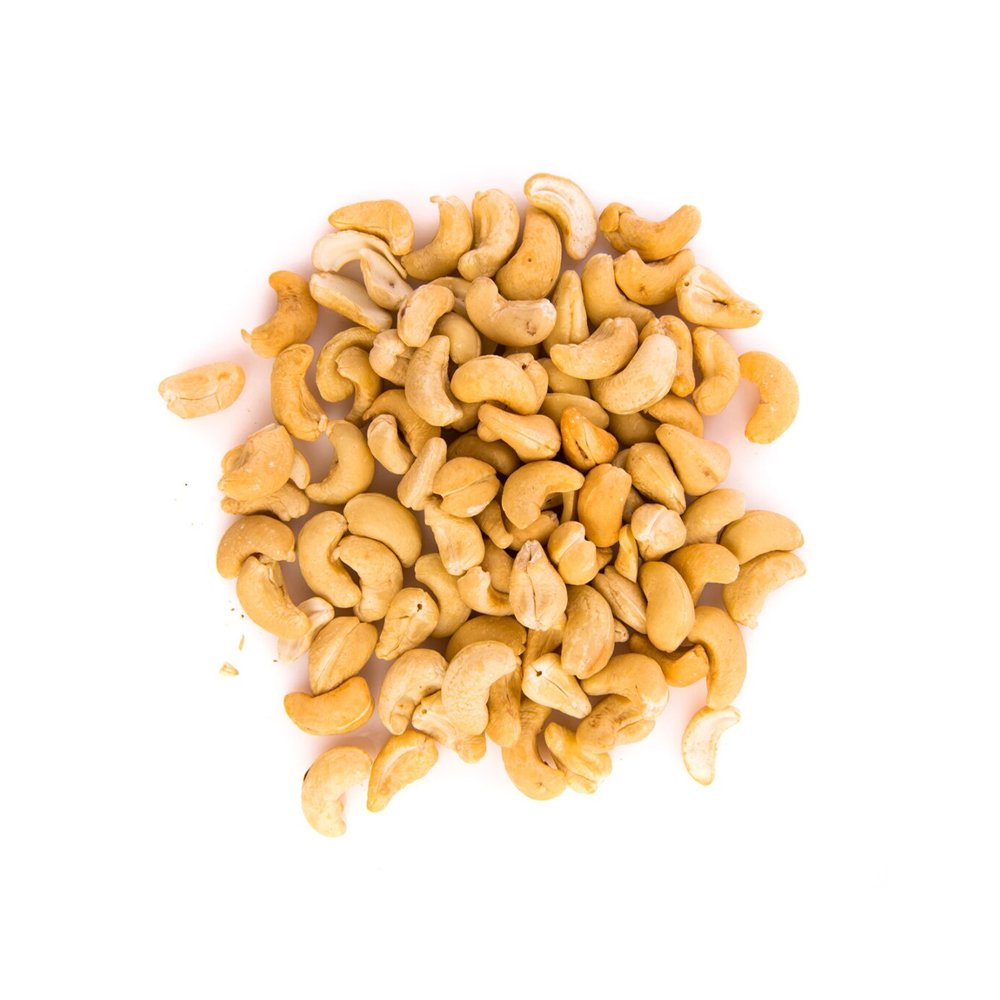
Cashew Nuts
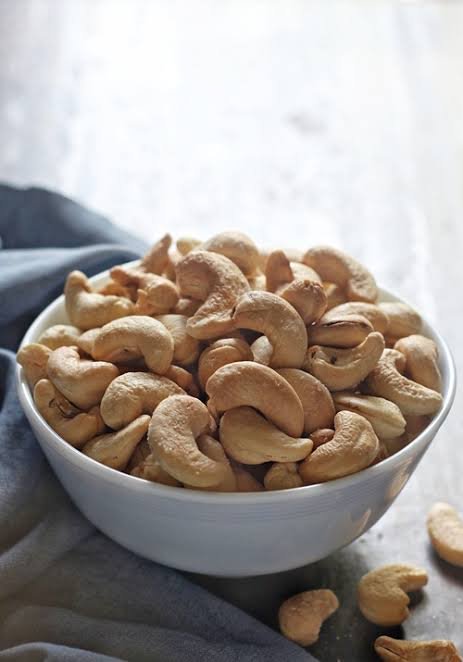
The primary product of the cashew nuts is its kernel which is used extensively in the confectionery and baking trade. The cashew nut kernels are popular desserts, generally eaten roasted and salted. The kernel is protected from the latter by the tough skin and the inner case, and is a rich source of protein, carbohydrate, and triglyceride found in the cashew kernel oil. The kernel and the shell liquid each comprise 20%–25% of the nut. The remaining parts are comprised of the testa and shell structure. Cashew kernel oil, as a good source of vegetable oil, has been recognized and is used in domestic cooking and pharmaceutics. Cashew kernels have high nutritive value. They contain protein (21%), fat (47%), moisture (5.9%), carbohydrates (22%), phosphorus (0.45%), calcium (0.05%), and iron (5%), as well as other mineral elements. Cashew kernels contains 47% fat, however 82% of this is unsaturated fatty acid, which lowers cholesterol levels in blood. The most prominent vitamins in cashews are vitamin A, D, and E, which help to assimilate fats and increase the immunity level. The cashew has a long record as a useful plant, but only in the 20th century did it become an important tree crop. It has the potential to provide a source of livelihood for the cashew growers, empower rural women in the processing sector, create employment opportunities, and generate foreign exchange through exports.

Reviews
There are no reviews yet.